Faculty

John A. Corbett, PhD

Professor
Dept. of Medicine
Division of Endocrinology, Diabetes & Metabolism


Contact Information

Office Address: Shelby 1206
Phone: 205-996-9546
E-mail: corbettj@uab.edu
Websites: School of Medicine Faculty Profile


Education:

Saint Norbert College
1985 BS Chemistry


Utah State University
1990 PhD Biochemistry


Post-Graduate Training:

Washington University School of Medicine

1990-1994 Postdoctoral fellow


Research Interests:

Diabetes, Inflammation and innate immunity


Research Description:

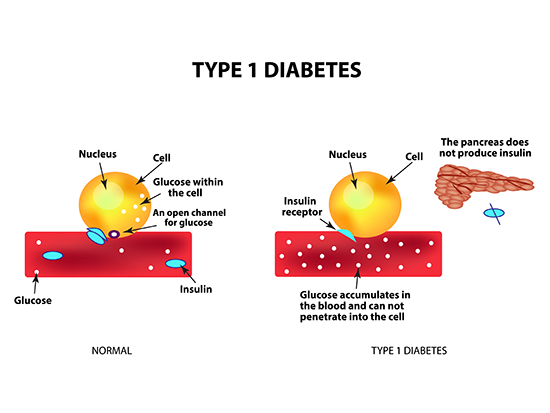
There are three ongoing research programs in our laboratory that are primarily focused on the cell biology and biochemistry of β-cells and inflammation/immunity as it pertains to the development of diabetes. Type I or insulin-dependent diabetes mellitus (IDDM) is an autoimmune disease that is characterized by selective destruction of insulin pancreatic β-cells. The loss of insulin-secreting β-cells results in an inability to regulate blood glucose levels. β-cell destruction is characterized by the infiltration of macrophages, monocytes, NK-cells, and T- lymphocytes into islets. Cytokines, released during islet inflammation, are believed to participate in β-cell death, either by directly mediating β-cell lysis or indirectly by regulating islet inflammation. Our studies have focused on the mechanisms by which cytokines directly impair β-cell function and induce islet destruction. We have shown that the macrophage-derived cytokine, interleukin-1 (IL-1) directly impairs β-cell function by stimulating the expression of inducible nitric oxide synthase (iNOS) and the increased production of the free radical nitric oxide. Nitric oxide targets iron-sulfur-containing enzymes found in the mitochondria, resulting in the inhibition of oxidative metabolism and reduced cellular levels of ATP in islets.


Nitric oxide also targets DNA, inducing strand breaks. β-cells have the ability to repair damaged DNA and to overcome the inhibitory actions of nitric oxide on mitochondrial function. Current studies are directed at determine the mechanisms controlling the fate of β-cells producing nitric oxide. Specifically, the effects of nitric oxide on β-cell viability and the ability of β-cells to recovery from nitric oxide mediated damage. Biochemical, cell biological, immunological, histological and transgenic approaches will be used to study each of these events.


The interactions of both environmental and genetic factors appear to participate in the development of IDDM. The risk of IDDM in Caucasians is 0.4%, and this figure rises to 6% for siblings of IDDM patients. However, the concordance rate for the development of IDDM by monozygotic twins is less than 40%. While familial clustering is consistent with a substantial genetic contribution, the low concordance rate of diabetes in monozygotic twins indicates the importance of environmental factors in IDDM. Viral infection is one environmental factor that has been implicated in the initiation of β-cell damage during diabetes development. Using a virus known to induce diabetes in susceptible mice, we have recently identified three novel antiviral signaling pathways that regulate inflammatory gene expression in macrophages. In response to a virus infection, the fate of β-cells appears to be dependent on the response elicited, where an inflammatory response appears to result in β-cell necrosis, and in the absence of inflammation β-cell apoptosis ensues. Ongoing studies are directed at determining the mechanism by which virus infection regulates antiviral responses in macrophages and directly induces β-cell death.


The third major area of research ongoing in our laboratory is to test the hypothesis that the accumulation of mitochondrial (mt) DNA mutations in β-cell increases the susceptibility of β-cells to loss of function and death during the development of type 2 diabetes. We have taken a genetic approach by generating a mouse that expresses a mutator mtDNA polymerase selectively in pancreatic β-cells. mtDNA mutations accumulate in β-cells of these mice (to low level ~0.1 % of mtDNA) due to the absence of proofreading activity of the mutator polymerase, and mutations are associated with diabetes development in these transgenic mice. Ongoing studies are directed at determining the mechanisms of β-cell damage, and the effects of secondary stress such as obesity on diabetes development in these mice.


Publications


DRTC Membership Category:

Senior Scientist


Back to Faculty Directory